In the field of steel galvanizing production, the precise control of zinc coating thickness has always been a key factor affecting product quality and cost. The traditional manual adjustment method is highly dependent on the experience of operators, which often leads to significant fluctuations in zinc coating thickness, high zinc consumption, and poor stability of product quality. To address this industry pain point, Beijing JJRS Technology Development Co., Ltd. and University of Science and Technology Beijing jointly developed the "Zinc Coating Thickness Control System Based on AI Dual-Engine Fusion Model", which was successfully applied in the No. 4 galvanizing production line for high-strength steel plates at Tangsteel High-Strength Automotive Steel Plate Co., Ltd., delivering an outstanding performance report.
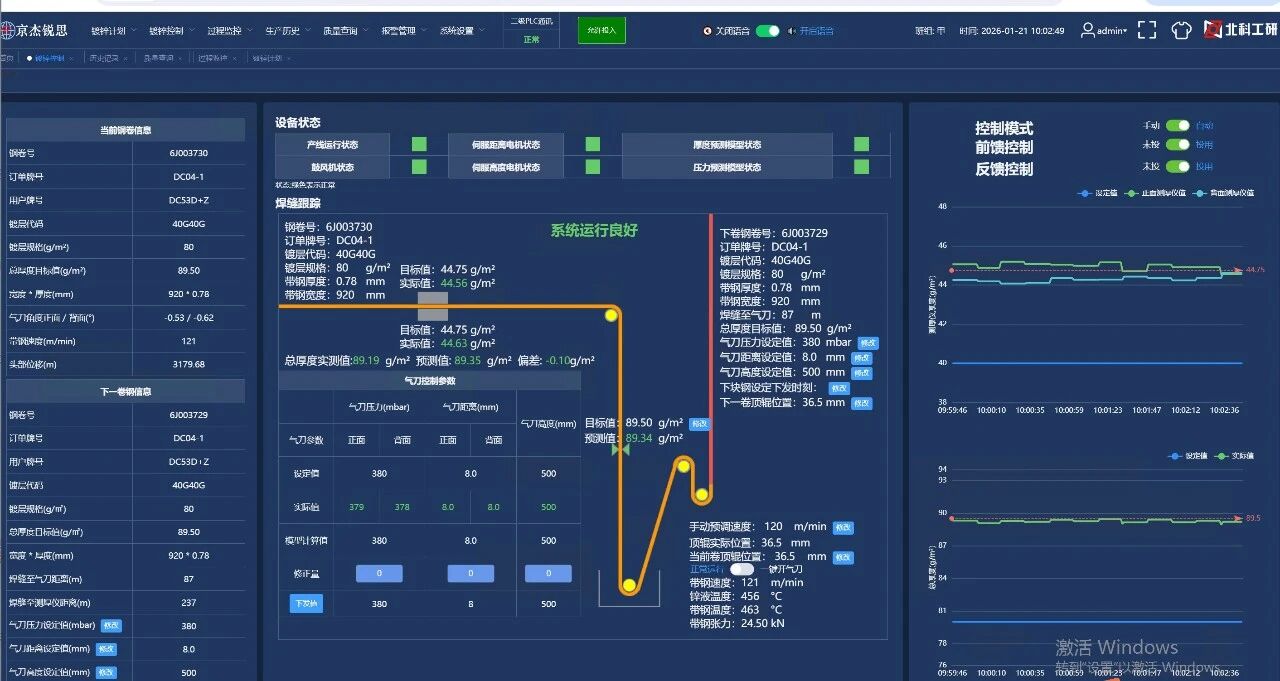 This system has three core capabilities: feedforward control: relying on its own large database, it sets control parameters in advance based on zinc quantity requirements when changing specifications or adjusting speed. Feedback control: it dynamically monitors and immediately corrects thickness deviations to achieve closed-loop control. Self-learning: it continuously optimizes the parameters of the AI model based on real-time working conditions, online control parameters, and feedback results from the thickness gauge.
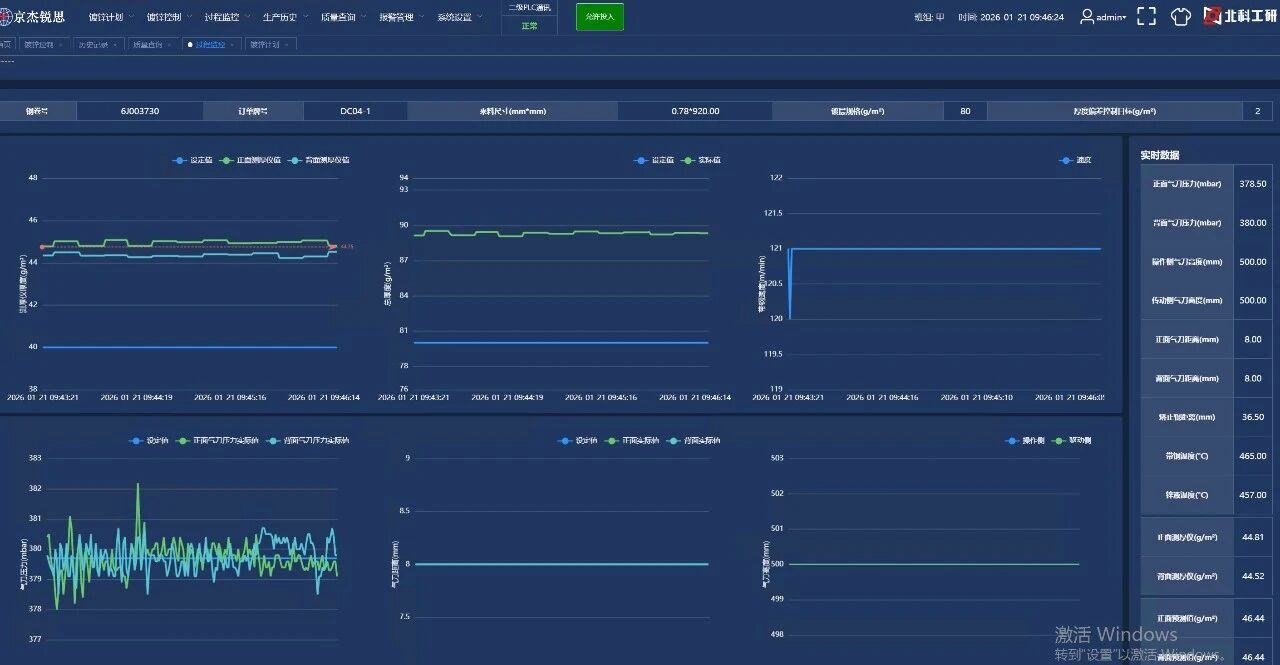 Since its commissioning in May 2024, the system has undergone nearly 12 months of data accumulation and model training. Currently, it has completed the commissioning of the zinc coating control system for 95% of the product specifications on the production line, achieving a stable operation of 560 hours without any faults. It has produced a total of 2,026 coils of steel strip, with a specification coverage rate of up to 91%. In terms of control accuracy, the standard deviation of zinc coating thickness fluctuation has been optimized from ±1.67g/㎡ to ±1.24g/㎡, and the proportion of out-of-tolerance coils has decreased from 1.93% to 1.41%, significantly enhancing the quality stability.
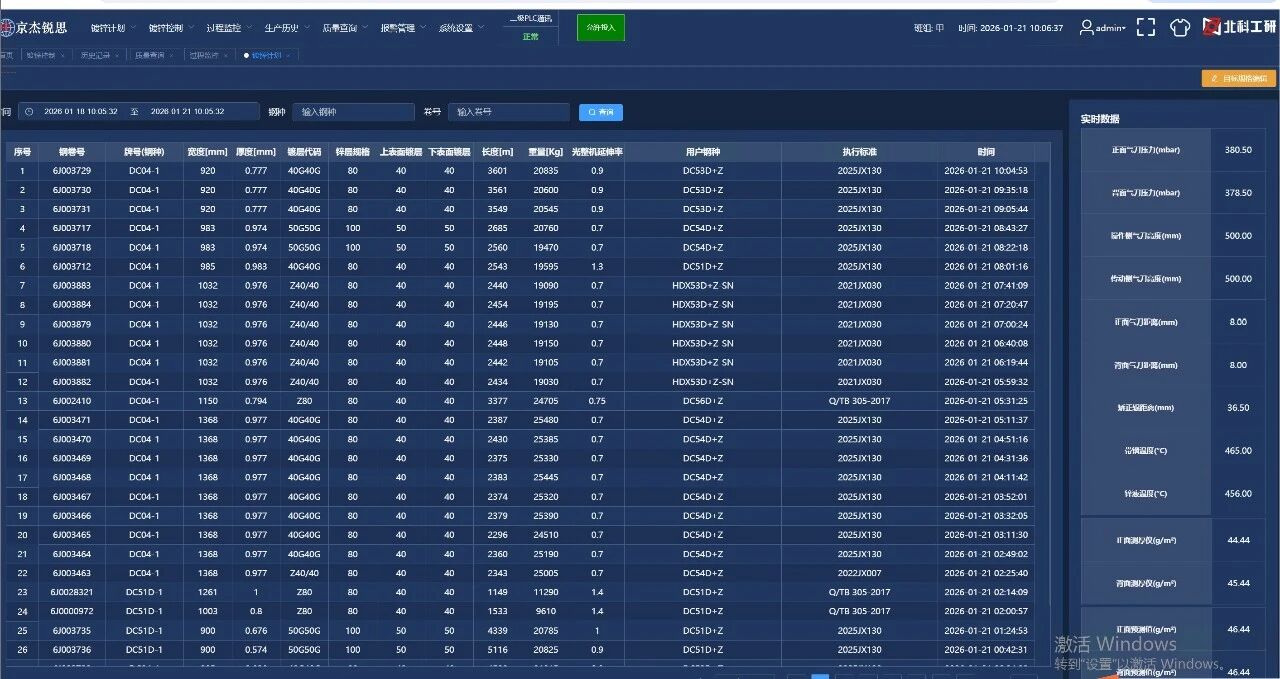 In addition, the economic benefits of this system are quite remarkable. Based on the actual operation data of Tangsteel, it can achieve an average reduction of 0.9g/㎡ in zinc consumption. The estimated economic benefits are as follows: (The following estimated economic benefit calculation results are derived from the aforementioned data and do not correspond to the actual production line conditions) Taking 1.0mm thick strip steel as the calculation basis, the double-sided surface area of 1 ton of this specification strip steel is approximately 254㎡. Based on a reduction of 0.9g/㎡ in zinc consumption, 228.6g of zinc ingots can be saved per ton of steel. For a production line with an annual output of 500,000 tons, the annual savings in zinc ingots is approximately 114.3 tons. Based on a market price of 20,000 yuan/ton for zinc ingots, the annual cost savings is approximately 2.286 million yuan.
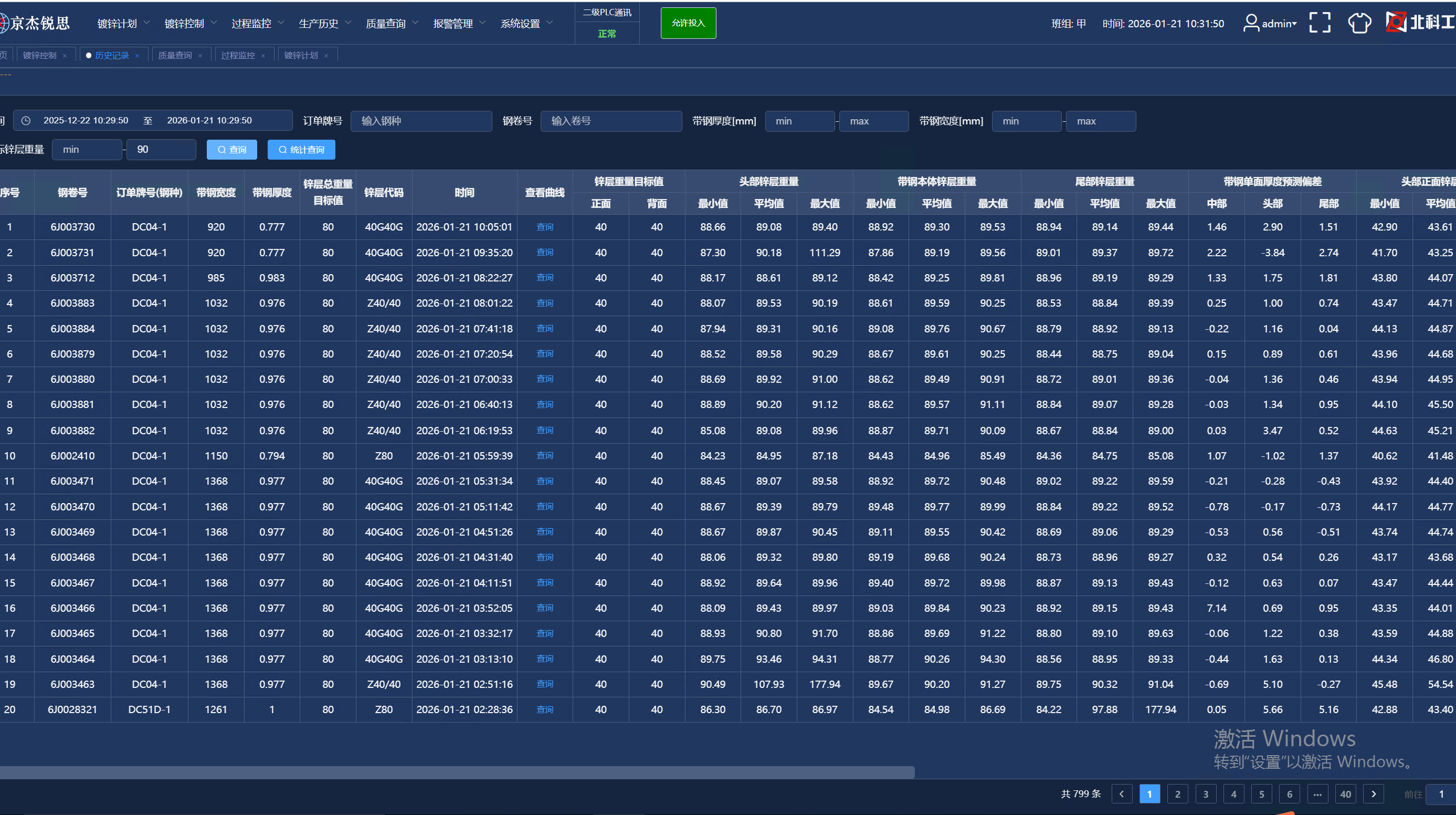
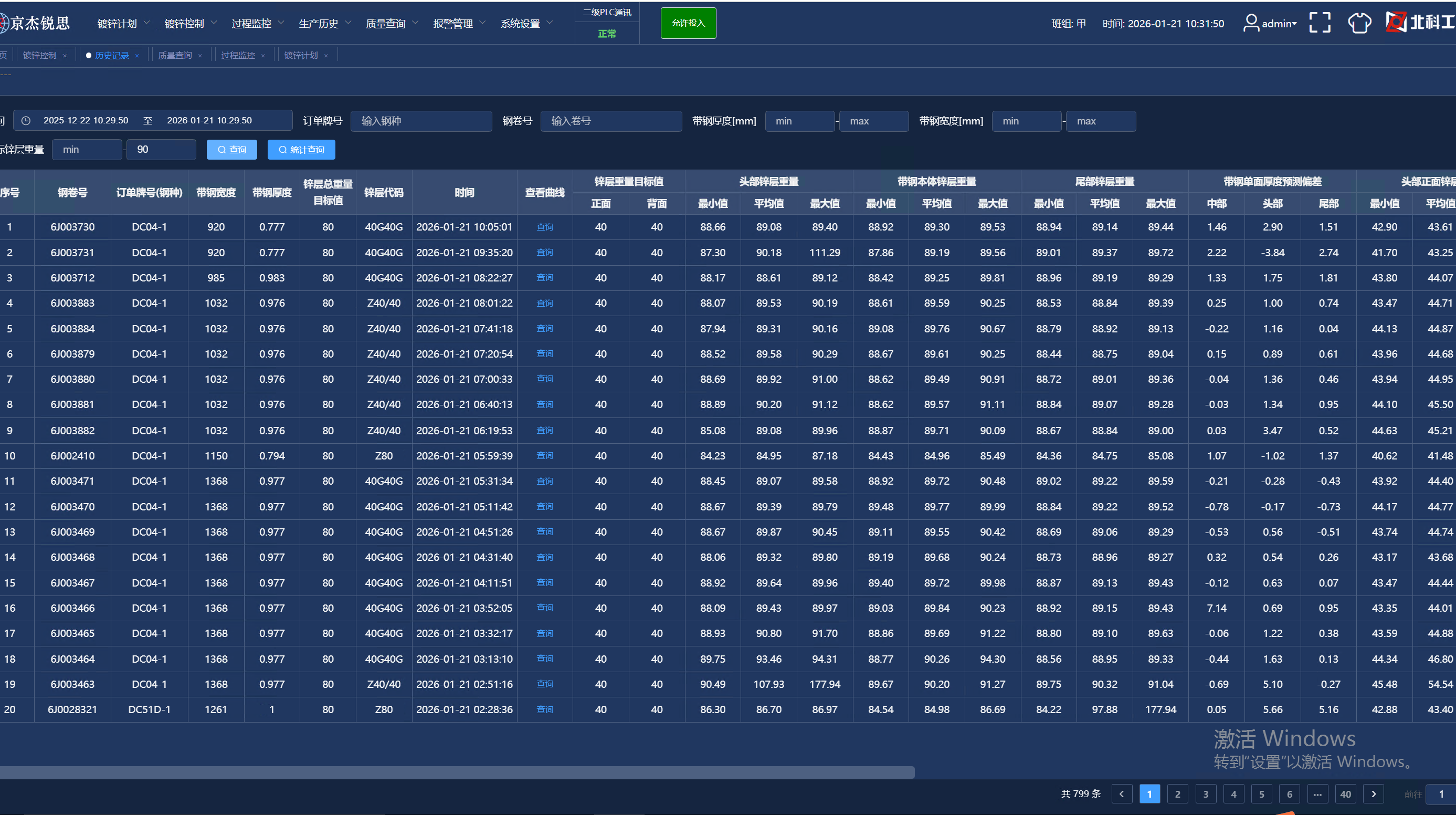
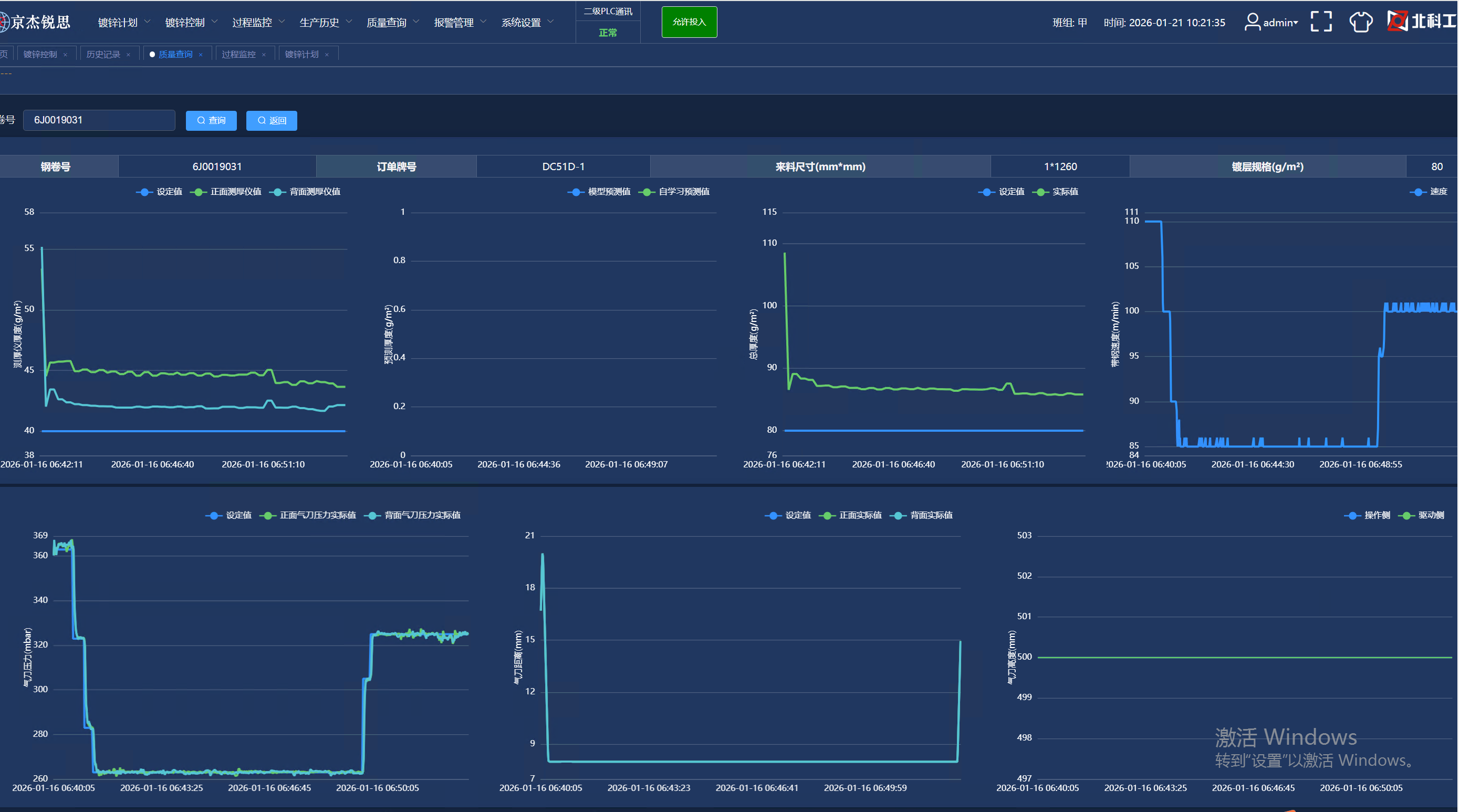 The successful application of this system has verified the reliability of the AI dual-processor model in the galvanizing operation scenario. It not only provides an intelligent upgrade model for the steel industry, but also demonstrates the great potential of precise alignment between technological innovation and industrial demands through the in-depth cooperation model of industry-university-research. As the system continues to be optimized and upgraded, its core values of "accuracy, stability, cost reduction, and efficiency improvement" will be implemented in more production lines, continuously empowering the cold rolling coating industry to achieve high-quality and sustainable development, and promoting China's intelligent manufacturing to reach new heights.